
Why do I need a sleep study?
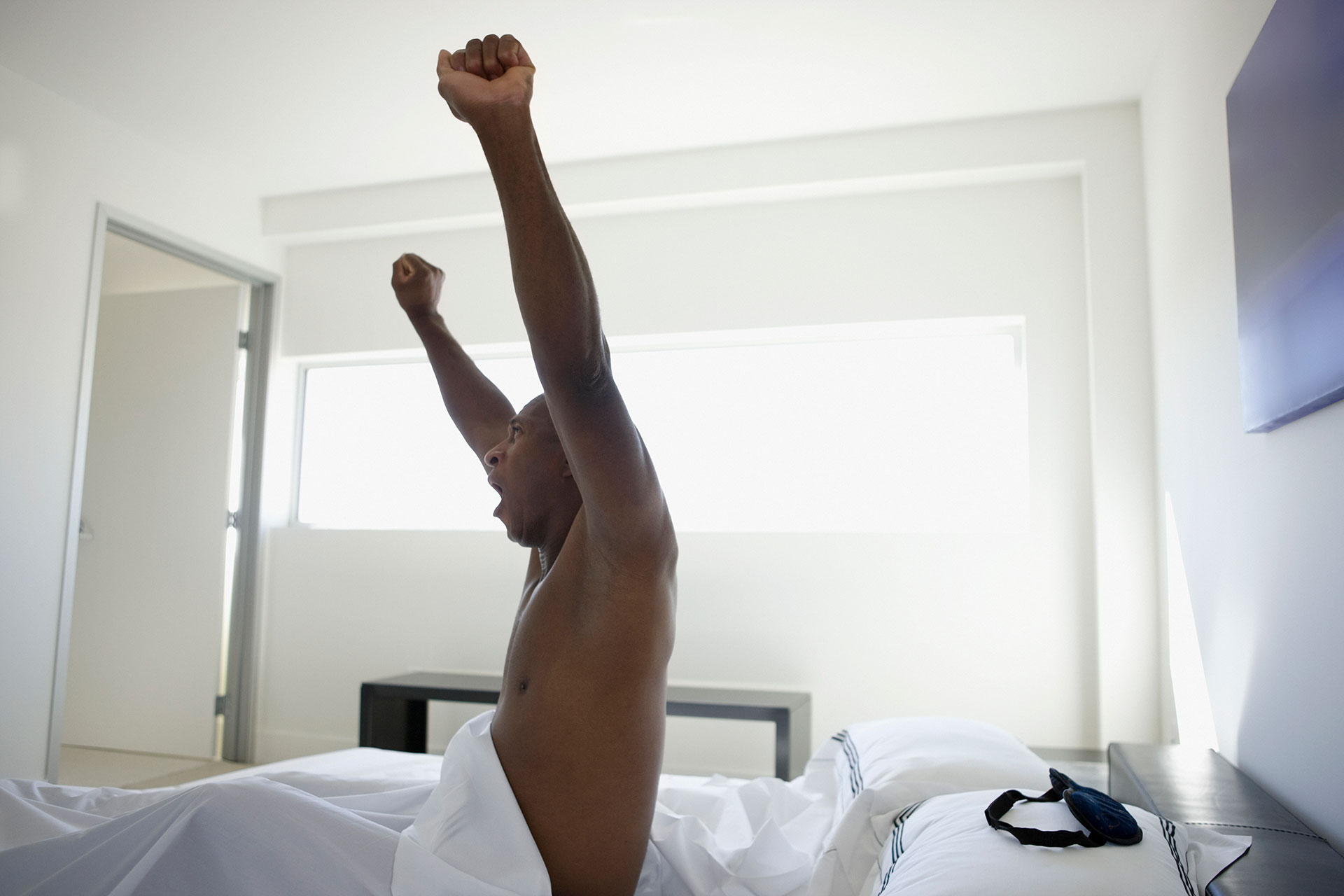
Do you have these symptoms?
- Need an alarm to wake up in the morning
- Snoring, choking, or gasping during sleep, or bed partner observes cessation of breathing
- Kicking your bed partner
- Restless legs sensation at sleep time
- Difficulty falling or staying asleep
- Dependence on caffeine or other stimulants to get through the day
If you do, you may be experiencing the result of poor-quality sleep or getting fewer hours of sleep than you need. You may struggle with everyday tasks, be less alert, and be more prone to accidents. Talk with those around you about your sleep and productivity, write down your symptoms, and chat with your doctor.
What are the risks?
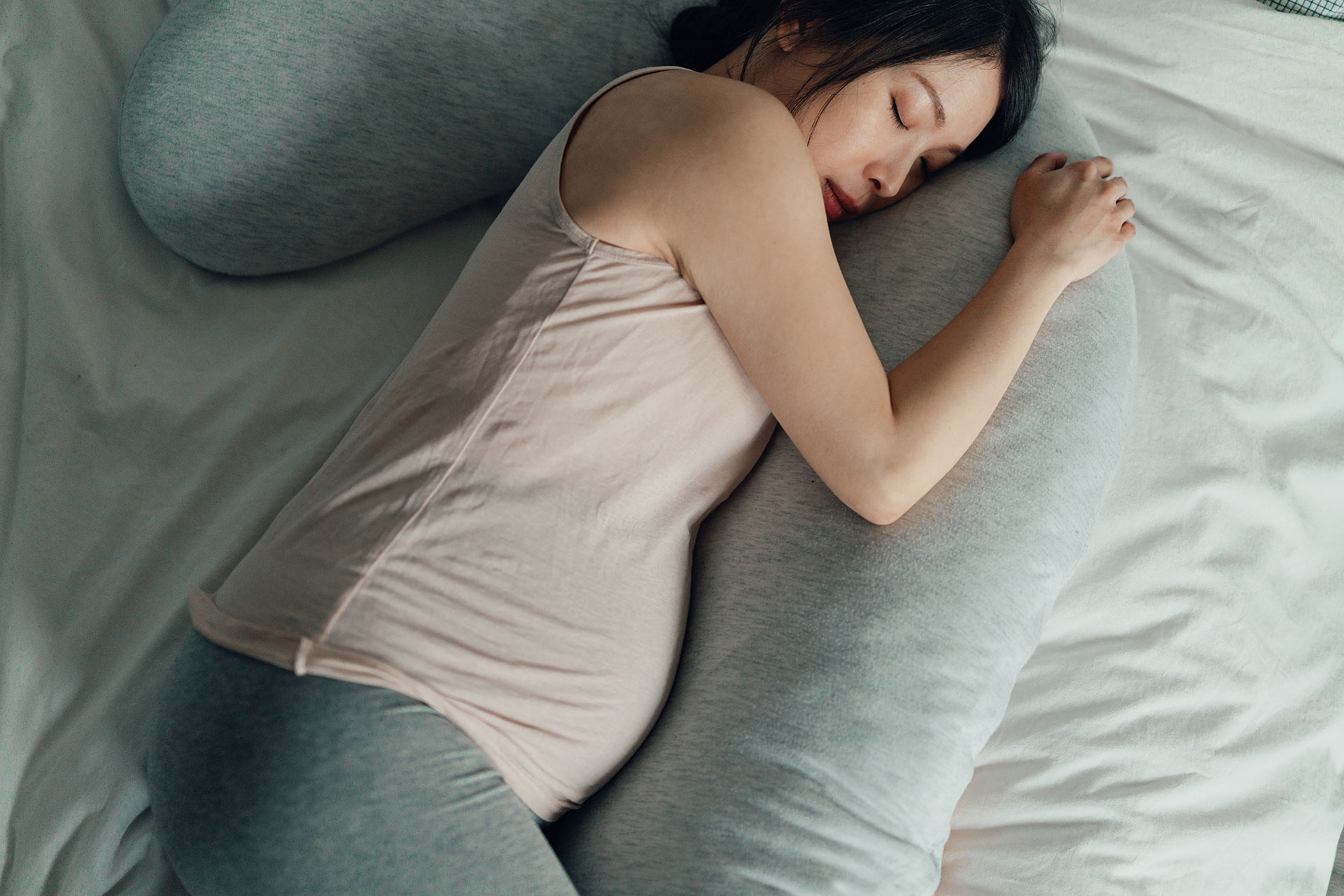
Sleep can affect how long we live and how well we live. Poor sleep has been linked to high blood pressure, heart problems, stroke, diabetes, obesity, memory problems, decreased productivity, and increased risk of accidents and injuries.
One of the most common sleep disorders is obstructive sleep apnea. When left untreated, sleep apnea can have serious consequences for your health. Making sleep a priority can help reduce the risk of injury to ourselves and others.
What can be diagnosed?
Sleep interruptions can be caused by unexpected physical movements, behaviors, dreams, and sometimes walking and talking behaviors. These events may occur while falling asleep, during sleeping, between sleep stages, or while waking up.
- Bedwetting (Enuresis)
- Confusional Arousals
- REM Sleep Behavior Disorder
- Sleep Eating Disorder
- Sleep Paralysis
- Sleep Terrors
- Sleepwalking
What to expect
When you arrive at the Sleep Lab, a sleep technologist will explain what to expect, apply sensors using tape, and paste for some tests. You’ll sleep in a private room while the technologist monitors your sleep from the control room.
A low-light camera allows technologists to see whether you’re sleeping on your side, back, or prone. An audio system allows the technologist to document snoring and hear you if you need assistance during the night.
In the morning, the sensors will be removed, so you can return to your regular activities. The sleep information collected during your study is reviewed and interpreted by a board-certified sleep medicine physician.
Please make a follow-up appointment with your doctor 3 weeks after the sleep study.
If your doctor refers you for home sleep apnea testing, you will use a sleep monitor device in your own home. The device collects information about your breathing while you sleep.
Before your study, you’ll attend a class to learn how to use the home sleep apnea testing device, which records your heart, breathing, and oxygen levels. You’ll be shown how to attach the sensors before bed and turn on the device.
The next morning, you can remove the sensors and put them back in the travel tote. You’ll return the device to the Sleep Lab and receive your preliminary sleep study results in 20 minutes.
If you are diagnosed with obstructive sleep apnea, you may be offered a home treatment study known as an Auto Positive Airway Pressure (APAP) Titration. An APAP machine delivers a flow of positive pressure air through a mask to help keep the airway open during sleep. The machine automatically adjusts the airflow pressure during the night to stop or decrease the apneas.
The APAP machine is typically loaned to you for a trial period of 10 to 14 days. After the trial period, your physician will discuss the results of your study and may prescribe an APAP mask, APAP machine, and airflow pressure for your nightly use.
What are the next steps?

Talk to your doctor
Make a list of your sleep symptoms, be honest about how many hours you average a week, and include observations from your family and friends. Bring this list with you when you visit your doctor who will make recommendations for next steps.

Sleep hygiene
Insomnia is the inability to sleep well. Poor sleep at night can show its effects during the day. You may have a hard time doing everyday tasks, be less alert, and be more prone to accidents. Poor sleep has been linked to high blood pressure, heart problems, stroke, diabetes, and obesity.
Start my sleep study
Sleep studies help doctors diagnose sleep abnormalities such as sleep apnea, movement disorders such as uncontrollable leg jerks, and other disorders that may cause medical problems or daytime sleepiness.